As a small lab, receiving the right supplies is only part of the equation. For temperature-sensitive reagents and biological samples, it can be challenging to ensure the right conditions are maintained from the supplier to your lab and through careful storage once they arrive.
These materials require careful handling throughout transportation and storage. Without appropriate temperature control, transportation delays, or extended transit times can expose materials to unsuitable conditions, potentially reducing stability and making them unsuitable for use. A well-managed cold chain can help reduce the risk of degradation and therefore minimize waste that can disrupt laboratory workflows and cause costly delays.
This blog explores how cold chain logistics processes work and outlines practical steps small labs can take to handle temperature-sensitive deliveries to help reduce avoidable waste and protect the integrity, quality, and usability of these materials.
Why Cold Chain Logistics Matter
When the cold chain is broken, certain reagents and biological samples can undergo chemical, structural, or functional changes that reduce potency or make biologics unsuitable for testing or research. Precise temperature control is crucial to prevent spoilage and help minimize permanent structural and functional degradation. This can involve refrigeration, freezing, or simply maintaining a stable room temperature.
For small labs, issues in temperature control can lead to:
-
Wasted materials
-
Repeated experiments
-
Unexpected replacement costs
-
Delays to research and testing timelines
-
Uncertainty about usability and validity of materials
These changes aren’t always visible, so it is important to identify the specific requirements and perform delivery checks on arrival to help determine whether appropriate temperatures were maintained. In the pharmaceutical, diagnostic, and research settings, cold chain management is especially important to protect product integrity and reliability and, where applicable, patient safety and regulatory compliance.
Not every product needs refrigeration or freezing. That’s why identifying each specific product’s handling and storage requirements is an essential first step, helping labs understand the conditions needed to maintain stability.
Building an Effective Cold Chain
Each stage, from transportation to packaging, temperature monitoring, and appropriate storage conditions, is essential to cold chain management and helps minimize the risks of temperature excursions that can compromise product quality.
By working with dependable domestic suppliers, your laboratory may benefit from reduced transportation time, since it limits the time materials spend in transit. This alone does not guarantee the required temperatures will be maintained, as a reliable cold chain relies on a few connected key steps, including:
1. Temperature Control and Insulated Packaging
During transportation, insulated shippers slow heat transfer between the contents of a package and the surrounding environment. They are also commonly used alongside gel packs or dry ice to help maintain the required temperature conditions. Depending on product requirements and expected transit time, gel packs may be refrigerated, frozen, or kept at room temperature to maintain the integrity of the shipment.
To maintain precise temperature, real-time monitoring and validated packaging help enable early intervention, minimizing the risk of even brief deviations and keeping products usable. If a temperature excursion may have occurred during shipment, staff should follow the manufacturer’s instructions or consult the supplier before use.
2. Cold Chain Transportation
The shipping arrangements depend on the material being shipped, and some may require specialized transport services. It is important to work with dependable, trusted suppliers and courier services that can supply relevant documentation, pre-validated packaging, and live tracking for monitoring purposes.
For laboratories sending biological samples to other facilities, the same applies to maintain stability and integrity through suitable containment, temperature control measures, and arranging applicable transport requirements before dispatch.
3. Specialized Equipment for Cold Storage
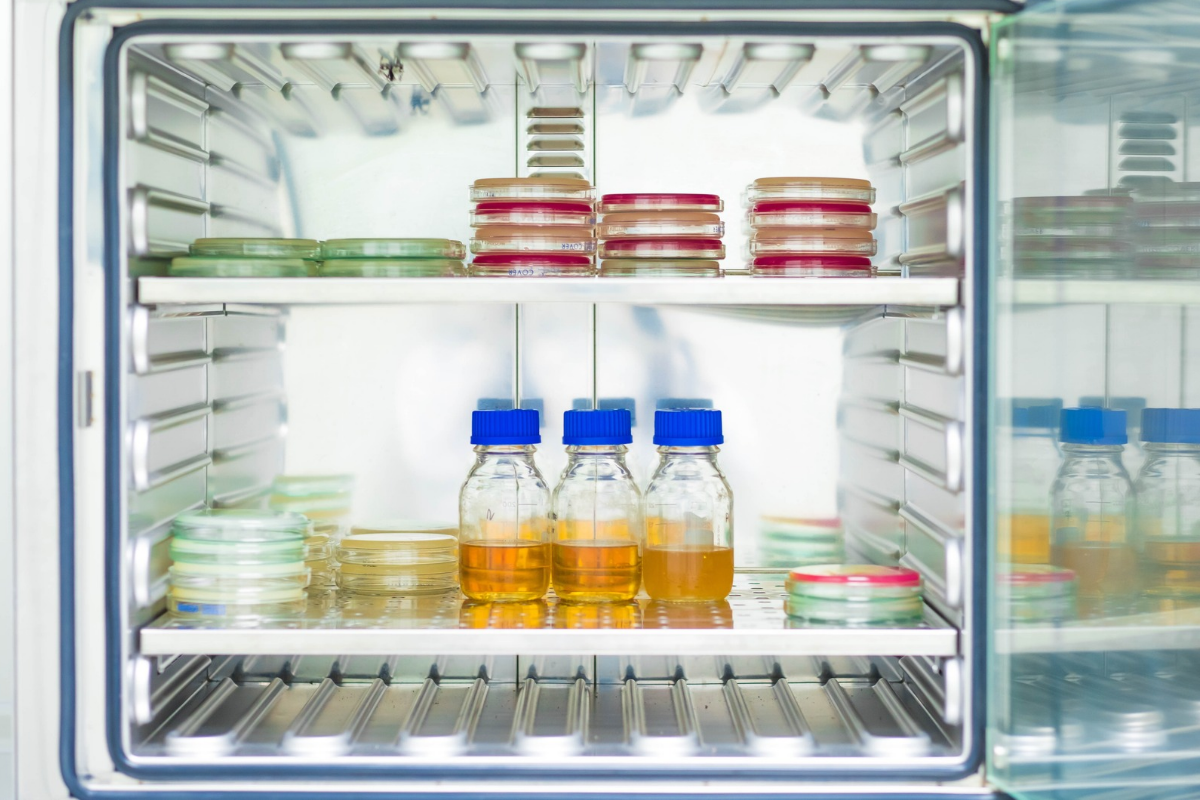
This may include laboratory refrigerators, freezers, and specialized low-temperature storage systems to help maintain the required conditions after materials arrive. For deliveries, ensure your laboratory has sufficient storage capacity and that equipment is operating within the required range before new arrivals. This equipment varies depending on your laboratory’s needs, and temperature ranges differ according to manufacturer’s specifications.
It is beneficial for your laboratory to perform regular temperature checks to quickly identify fluctuations and minimize the risk of compromising stored materials. This varies by application and may include continuous monitoring or alarms, and having backup storage in order to respond to equipment failures promptly.
4. Monitoring Technology
Small devices – such as IoT sensors and USB or wireless data loggers – can monitor temperature and humidity continuously in transit to flag excursions immediately or during storage. Some systems can then provide alerts outside the defined range. GPS trackers are commonly used to monitor location and can help your laboratory understand and investigate where any potential delays have occurred.
This information is valuable when a shipment arrives; it allows laboratories to review conditions during transport, assess whether they were maintained throughout the journey, and identify and investigate potential issues. These monitoring requirements can vary to reflect the sensitivity of the individual materials.
A Practical Approach for Small Labs
Establishing written procedures for cold chain arrivals can help ensure staff follow the same process for each delivery promptly. There are a few practical steps small laboratories should follow when a package arrives before quickly moving materials into storage, including:
-
Sign for the package and record the delivery time.
-
Open the outer box and verify the packaging list against the contents.
-
Inspect the outer packaging for physical damage or leaks to see if there is any indication of compromised packaging that may have affected the contents.
-
Check temperature indicators, such as chemical indicators for color changes or a data logger for alarm state and available temperature records.
-
Know the required temperature range and follow the manufacturer’s storage and shipping requirements for each product to maintain integrity and usability.
-
Transfer the contents promptly to an appropriate storage environment after delivery inspections, such as a designated refrigerator, freezer, or storage room.
-
Log the receipt in your inventory sheet and attach the temperature report for inventory and record-keeping purposes.
Selecting Suitable Laboratory Containers
Another important step in your laboratory process is choosing appropriate containers for the application and the intended material, including samples and formulations. When choosing containers, consider chemical compatibility and the expected storage conditions.
At Med Lab Supply, we provide premium laboratory glassware, including CyraLux Open Sterile Glass Vials, Sealed Sterile molded and tubular glass serum vials, and compatible stoppers and aluminum vial seals. Our vials are manufactured from Type I borosilicate glass and are designed for storage of liquids, chemicals, and chromatography samples.
Additionally, when handling temperature-sensitive materials, your laboratory should confirm that the specific vial and closure are compatible with intended application and storage conditions.
Protecting Supplies From Supplier to Laboratory
For small laboratories, effective cold chain logistics comes down to understanding product requirements, working with dependable suppliers and couriers, and making sure suitable conditions are maintained from transportation through to storage. By understanding the requirements for individual supplies, your lab can take practical steps to reduce the risk of temperature-related damage and keep your workflow moving efficiently.
At Med Lab Supply, we use climate-controlled storage environments to help ensure the safety and quality of our laboratory consumables before we dispatch them to our customers. We are committed to providing high-quality laboratory supplies that offer dependability to small laboratories, to support your research and experiments and keep your timelines on track.