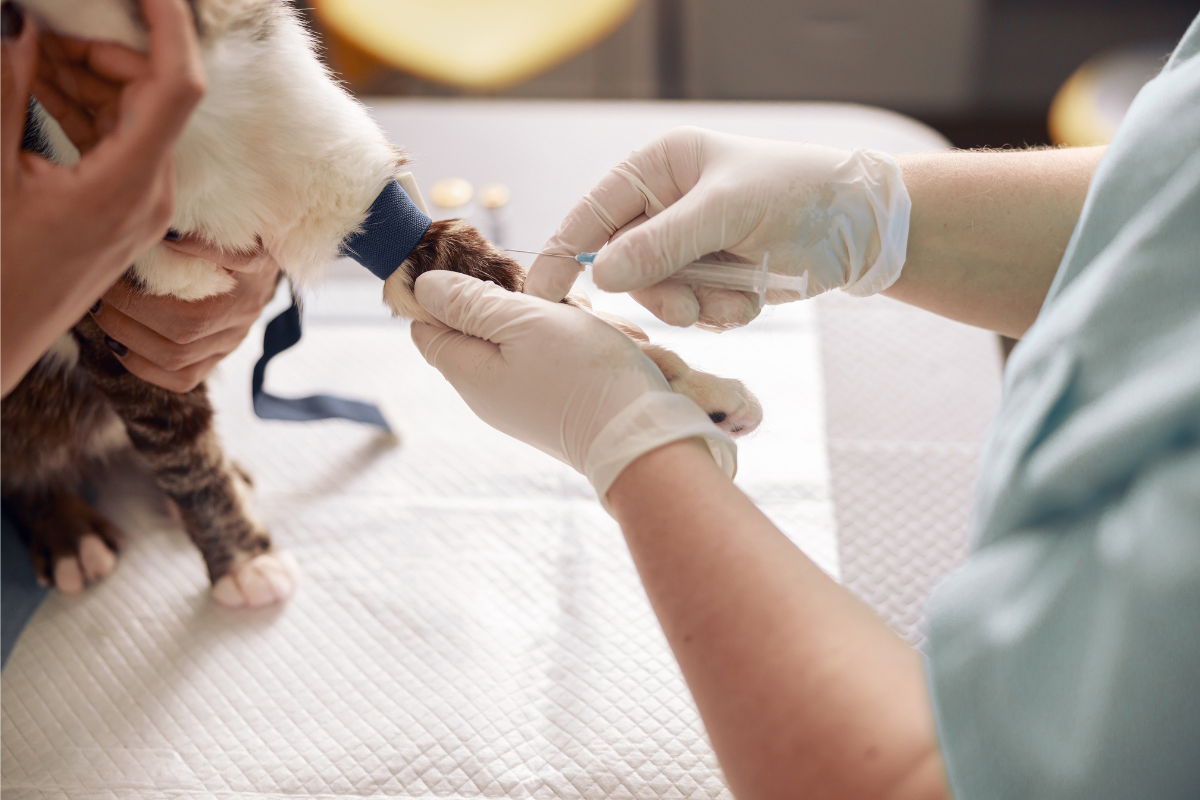
The demand for mobile vet clinic services has continued to grow over recent years, providing convenient care for pet owners and a comfortable, reduced-stress experience for pets. As a mobile veterinarian, in day-to-day practice, it can mean traveling for private house calls, neighborhood pop-up clinics, or farm visits to provide specialized livestock care.
Working in a mobile clinic requires extra consideration and planning for the limited space you have to utilize every inch for maximum efficiency. The goal is to maintain an accurate inventory of stock, minimize supply waste, and prevent disruptions to patient care to handle both routine wellness visits and emergency treatments. It is important whether you are starting out or looking to simply organize your inventory, sourcing, or budgeting for your already established mobile clinic.
It can be tempting, especially if just starting up, to stock for every scenario. But a successful mobile veterinary clinic is built around managing storage and requires having the right equipment and supplies easily accessible to provide the best possible care and multi-species adaptability, rather than carrying everything.
The Importance of Inventory Management
Poor storage isn’t just inconvenient; in such a small space, inventory management and staying organized can make all the difference. It can help ensure your day runs smoothly, instead of repeatedly searching for the supplies you need when you need them.
Many mobile clinics offer a wide range of treatments covering in-depth consultations, examinations, and tailored treatment plans, including:
-
Vaccinations
-
Physical check-ups
-
Diagnostic testing and lab work
-
Minor surgical procedures
-
Senior pet care
-
Parasite preventatives
-
Preventative care
-
End-of-life services
Since your space is valuable, having an overload of equipment causes more problems than it solves for your workflow, which relies heavily on efficiency. Being on the go usually means you can’t easily stock up on critical supplies if they run out during your workday or mid-appointment. Equally, overstocking can waste time and also lead to expired products, which over time could be a financial drain on your clinic.
It's essential to think carefully about what equipment you use most regularly and the supplies you’ll need readily available, or what items are used more occasionally and can be stored and labelled clearly for when needed.
For many mobile clinics, establishing weekly inventory reviews and monthly ordering schedules helps keep the balance between adequate stock levels and overstocking, reducing the potential for waste.
Creating an Efficient Workspace Setup
The best mobile setups work by dividing the vehicle into practical working zones. This helps many mobile veterinarians avoid unnecessary movement and minimize the risk of cross-contamination while easily accessing essentials during appointments.
It can be useful to further simplify inventory management by categorizing supplies by how frequently they are used in these working zones. This can follow the sequence of a typical consultation, keeping daily essentials such as a stethoscope, gloves, syringes, examination tools, and medications accessible in a kit or in a front compartment.
These zones are typically divided into:
-
Diagnostics Zone: Keeping portable diagnostic equipment and frequently used consumables to support routine examinations and point-of-care testing. These include portable ultrasound devices, blood analyzers, sample collection supplies, and monitoring equipment.
-
Procedure Zone: Containing supplies for treatments and minor procedures, including sterile instruments, bandages, needles, and syringes. It can help to create procedure-specific kits for packing convenience and to be prepared for the most common appointment issues. These kits may contain needles, syringes, dressings, or sterile instruments.
-
Pharmacy Zone: Where medications are carefully organized, and temperature-sensitive products such as vaccines, insulin, and biologics are stored in strict temperature-controlled environments.
-
Sanitation Zone: To minimize contamination risk, keep disinfectants, surface wipes, biohazard waste bags, and other sterilization supplies available to thoroughly sanitize between patients.
-
Rapid Response Zone: Where high-priority items are easily accessible during emergencies, avoiding the need to rummage through stock and delaying quick response where necessary. This can include a crash kit, airway supplies, emergency drugs, and IV setup.
Separating these supplies by type and frequently performing audits and rotating supplies can reduce the risk of being unable to find them at the right time or carrying duplicates. This system also helps ensure items are used before they expire and accurately monitors stock levels to indicate when supplies are running low, so you can stock up in time.
Durable Storage Solutions for Transit
An additional important consideration is that when you are on the road, vibration or bumpy transit can damage supplies, such as glass vials, reagents, and electronics. This can gradually happen over time if not stored properly.
Having durable storage solutions that can withstand daily travel helps protect valuable supplies and offers the reliability you need. These include shock-resistant cases and modular storage systems to keep consumables organized by category. During transport, fragile equipment may require foam-lined containers, which can further reduce shock to protect items, and lockable drawers can prevent movement while driving.
Maintaining the Stability of Medication Storage
The storage of medication requires careful planning and balance to maintain product stability and manage the limited storage capacity. Many mobile clinics use dedicated portable medical refrigerator units designed for vehicle use to maintain temperature control and keep medications viable.
Many portable medical refrigerators are designed to operate independently of the vehicle and may contain temperature sensors to monitor conditions and quickly identify fluctuations. Units with digital monitoring and logging capabilities provide enhanced visibility to manage storage conditions and maintain the manufacturer's temperature ranges on specific medications.
Carrying what you use weekly and restocking what you use monthly from a hub will help prevent the overstocking of medications. It’s recommended here to rotate stock regularly so that products with the earliest expiration date are used first, which follows the first-expiring, first-out (FEFO) method.
The Checklist of Portable Diagnostics
A well-equipped mobile clinic keeps you prepared for daily tasks and supports time management so you can focus on providing the best care to patients. Having a structured checklist of portable diagnostics can help keep everything organized without overcrowding your workspace.
When selecting portable equipment, the size is an important factor, but also the reliability and durability. It’s important to select equipment that supports the services you most commonly provide while remaining practical for traveling. Some of the essential portable diagnostic equipment may include:
-
Portable Ultrasound:
A portable ultrasound has become a core point-of-care diagnostic tool for mobile veterinarians due to its ability to allow real-time imaging in practically any location. Due to its compact size, it can be easily stored and can help reduce stress for animals as examinations require minimal movement.
Offering flexibility for various species checks whether performing abdominal examinations, cardiac screening, or pregnancy evaluations. If you specialize in large animal care, it can be especially beneficial to monitor health or soft-tissue injuries without requiring the animal to travel.
-
Portable Blood Analyzers:
These compact chemistry and hematology analyzers support clinical decision-making directly at the patient’s location for wellness examinations, emergency assessments, and the monitoring of ongoing conditions. This helps reduce delays that would otherwise come with sending samples elsewhere for testing.
-
Portable Microscope:
Mainly required if offering more advanced diagnostics rather than if mainly focused on wellness visits. It supports many in-house diagnostic evaluations by allowing sample examination during appointments rather than the wait required when sending samples off to external laboratories for evaluation.
-
Digital Radiography:
Providing the ability to perform diagnostic imaging and for use where transporting larger animals may not be practical. These are particularly useful for quickly evaluating injuries, orthopedic concerns, and dental assessments. It’s important to consider storage space and power requirements.
-
Urinalysis Equipment:
A valuable tool during wellness examinations to assess patients with metabolic, urinary, or kidney issues. This can include urine test strips and refractometers for easier and mostly non-invasive processing.
-
Wireless Endoscopy:
The need for this equipment depends on the services provided, if offering specialized services, due to additional maintenance, cleaning, and storage concerns. If the space is available, it provides additional diagnostic visibility.
-
Glucometer:
Useful to provide quick blood glucose measurements and monitor diabetic patients, or for evaluating emergency cases for rapid assessment and action. Due to their small size, they are a practical addition to an examination kit.
-
Additional Patient Monitoring Equipment:
Smaller supplies can support multiple appointment concerns and are valuable during evaluations, without taking up much space, including pulse oximeters, blood pressure monitors, digital thermometers, and ECG devices for cardiac monitoring.
Also including rapid test kits to easily and immediately screen for common conditions like heartworm, parvovirus, and feline leukemia.
Essential Needle Gauge List for Species Adaptability
While needle gauge selection can vary significantly from species to species, the appropriate needle gauge and length depend on a variety of factors, such as the animal’s size, injection route, and the viscosity of the intended medication. Creating a standardized species-based needle inventory helps many professionals stay better prepared without taking up too much space.
It can be beneficial to organize needle and syringe stock based on the most commonly treated patients and procedure type, particularly if specializing in treating both small and large animals.
Guideline Chart by Species Type and Application:
|
Species |
Common Needle Gauge Range |
Common Syringe Sizes |
General Uses |
|
Cats |
22 – 25 G |
1ml - 3 mL syringes |
Vaccinations, blood collection, insulin, subcutaneous injections. |
|
Dogs |
20 – 22 G |
1ml - 6 mL syringes |
Vaccinations, blood collection, and general routine injections. |
|
Equine |
18 – 20 G |
3 - 60 mL syringes |
Intramuscular medication, blood collection, larger-volume treatments. |
|
Cattle |
16 – 18 G |
3 - 60 mL syringes |
Higher viscosity medications, blood collection, and routine procedures. |
Additionally, keep on hand a range of length pairings for different injection sites:
-
¾ inch for subcutaneous (SQ) injections, typically used for cats and small dogs.
-
1 inch as the standard for canine and feline intramuscular (IM) injections
-
1.5 inches for deeper muscle layers in larger animals such as livestock.
When dealing with sharps, proper disposal is important, using puncture-resistant sharps containers to ensure safety for yourself and anyone who could come into contact with them. It’s recommended to select the right container and mount it securely, ensuring it is easily accessible within arm’s reach to avoid accidental needle-stick injuries or infection.
To maintain a safer workspace, these containers should be regularly checked and replaced, ensuring they don’t become overfilled to the point of being unable to close. Once the containers have reached capacity, they should be sealed securely and disposed of according to applicable local and state veterinary medical waste regulations.
Building a Clinic System That Supports Your Workflow
Don’t be afraid to leverage technology as a tool to help you keep on track. Utilizing cloud-based inventory tools and digital tracking systems, such as detailed spreadsheets, can help accurately monitor stock levels, track expiration dates, and manage automated purchasing.
Many mobile veterinary clinics are utilizing these tools for greater visibility into inventory levels to simplify purchasing decisions based on usage patterns over time. To maximize efficiency, inventory tools that integrate directly with your mobile Practice Management Information System (PIMS) can be valuable. These inventory management tools can help improve ordering predictability and reduce the need for manual stock checks while establishing consistency and removing the guesswork in restocking before supplies run low.
Inventory Management Made Simpler for Your Mobile Clinic
Working with a trusted domestic supplier can help protect against shipping delays of critical supplies and simplify restocking to reduce disruptions to your patient care and keep operations running smoothly.
At Med Lab Supply, we care about our customers and are here to make your supply chain management easier so you can focus on providing quality pet care, while we make stocking up on some essentials easier.
We stock a range of high-quality veterinary supplies at more affordable costs, from syringes to needles, exam gloves, and more. Explore our range today.